

How to Choose the Best Gas Patio Heater
Gas patio heaters utilize propane instead of electric patio heaters that require electricity and are expensive to operate. They can also explode during hot days or consume a tank in a short time.
Look for heaters that have a pyramidal design that connect to standard propane tanks, and that produce 40,000 Btu. These heaters are more likely to heat larger areas and are more effective in colder climates.
1. Infrared
Infrared heating technology is a good option for patios since it's efficient and can warm people and objects and not just the air. It's also safe to touch, which is essential when you're out in the sun during winter and want to extend the comfort of your outdoor seating area for as long as you can.
If you are looking for a patio heater, pay close attention to the Btu output. It is a common measurement unit that determines how much power a heater uses. A greater Btu output generally means that the heater will be able to heat up your outdoor space faster and more effectively. If you reside in a colder climate or plan to host guests, look for models that produce over 40,000 Btu to ensure that you keep everyone comfortably warm. The most efficient Btu output is typically found in dome or pyramid-shaped patio heating units. This allows them to heat larger spaces and keep a large number of people comfortable at the same time.
The best infrared patio heaters come with a variety of features, including automatic tip-over shutoffs and remote controls that make them easy to use and durable. Some models come with a cover to protect them from the elements. If you want to upgrade your outdoor space by installing an infrared heater that has LED lighting is the ideal option. It will improve the ambience and make the area more inviting.
If you're not interested in investing more money in an infrared gas heater for your patio, there are plenty of affordable options to choose from. For example our Top Pick for the Best Value, which is the Bromic Heating Tungsten Infrared Patio Heater is a reliable and affordable model that produces an impressive amount of heat. The high, tilted head is ideal for directional heating that focuses the warmth to your outdoor seating area. The patio heater has wheels at the base of its stand that will let you move it around your yard when needed, and it operates on both natural gas and propane.
Modine OHP34S48 is an independent gas infrared heating system that comes with two heat settings and 360deg oscillation. It also has a sturdy build. This model is perfect when you have a natural gas line in your backyard. It can be connected directly to the gas supply of your home, so you'll never run out of.
2. BTU
Many gas patio heaters have the capacity to produce a lot of heat, which makes them perfect for large outdoor spaces. However the amount of heat a patio heater provides is dependent on its size, location and other factors, so it's important to take into account all aspects before selecting one.
The BTU rating of an outdoor heater is a great way to determine its power. BTU stands for British Thermal Units. It indicates how much heat the heater produces per hour. BTU ratings, which are often listed by the manufacturer, indicate the amount of space a heater will be capable of heating comfortably in ideal conditions. You can also figure out how many BTUs an outdoor heater needs by multiplying the square footage of your patio by the desired temperature increase.
Natural gas and propane are the most popular fuels for patio heaters. types because they provide a significant amount of heat quickly and efficiently, making them an excellent option for commercial spaces or large outdoor spaces for residential use. They typically cost more than electric heaters and may require frequent refills or replacement of the cylinder however, they're very convenient since propane tanks are available at most gas stations or convenience stores.
Some gas patio heaters are equipped with safety features that will ensure you and your guests are secure while using them. Some include an automatic shut-off valve that stops the heater from overheating and an electronic lighter to make it easier to ignite. Some models have a protective shield around the flame which helps to reduce the risk of burning.
In addition to safety features, some models of gas patio heaters are visually appealing. Certain models sport an elegant design with intricate details that are perfect for an elegant outdoor setting. Others have an earthy style with earthy tones, natural materials and a rustic vibe. They are ideal for a cozy backyard. Some of our favorite models emit a flickering fire which can add to the appeal of your outdoor space.
3. Coverage
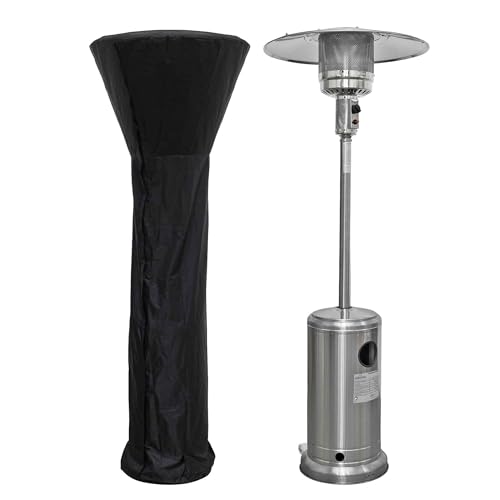
It is important to think about the coverage of gas patio heaters when deciding on one. For instance, if are planning to host guests outside often it's a good idea to invest in an option that has a larger area of coverage so that everyone can take in the warmth and conversation without being too close together.
The height of the patio heater is another aspect to consider when determining its coverage. In general taller propane patio heaters offer more heat than smaller models because they are able to radiate heat in multiple directions simultaneously. Thomas Bonfiglio of Triple T Hospitality said that's one of the main reasons why his New York and New Jersey restaurant chose pyramid-top and dome-top heaters to warm their outdoor dining areas. "They're really great at heating the entire space and keeping tables warm," he says.
While larger propane patio heaters usually provide more coverage, they also require more space and their heat output could decrease in windy conditions. It is important to choose a model that is wind-resistant.
Other factors to take into consideration when choosing the best gas patio heater is the source of power and installation method. Some models are permanent fixtures that need to be connected to a natural gas line, while others are portable and run off a propane tank.
The kind of fuel used affects the maintenance and cost related to the heater. Electric heaters are less expensive to run than propane models. However they are more difficult to heat and don't have the power needed to cover a large patio. They should be kept away from combustible material and cannot be left unattended.
Propane heaters are more expensive to operate than electric heaters, however they provide a higher temperature output and can cover as much as 215 square feet. Installed by a professional, they must be kept away of fire hazards. They require a higher initial investment than electric ones but can be controlled remotely or on the basis of a timer.
4. Safety
It is crucial to consider safety when shopping for a patio heater. Many models come with anti-tip features, such as a weighted bottom and a tilt shutoff valve to prevent them from tipping and burning your backyard. They may also have a built-in carbon monoxide detector as well as an alarm that turns the heater off in the event of a leak of CO. If you want to be sure that your patio heater is safe, look for CSA certification. This means that it has been independently tested by an independent third party and has met safety standards for outdoor use.
Another feature to consider when choosing a patio gas heater is its overall design. There are a variety of designs to choose from, including pyramid and umbrella models for standing heaters, as well as wall-mounted versions that are smaller and more discreet and easily blend into your deck or yard. There are various colors to pick from. Steel in stainless and black are the most popular however some brands offer a variety of colors that will suit your style.
In terms of the fuel used, gas patio heaters are often more affordable to run than electric models and can provide more heat for a larger area. They require natural ventilation to work safely, which is why they are not suitable for tight or enclosed spaces. Certain manufacturers make propane models that don't require a gas line to operate and can be powered by standard 20-pound tanks similar to your grill.
The most effective propane patio heaters come with simple, yet robust design that can withstand the most severe weather conditions. One model we looked at can withstand winds of up to 60mph. Its simple assembly took less than an hr with only a few hand tools. It can be used to hold any 20-pound propane tank. patio heater gas -over shutdown makes sure that it stops working if you fall over.
Other models in our list include additional safety features, like a sensor for detecting a failed flame that shuts the gas flow if the flame is put out. Depending on where you reside you might choose a propane patio heat that has been approved by the local fire department, or is a UL safety certification.